AI Agents for SaaS Founders: What Actually Works (and What Breaks in Production)

Most SaaS founders I talk to aren’t asking “What is an AI agent?”
They’re asking:
“Can this actually reduce my team’s workload?”
“Will this break things in production?”
“Is this worth building now, or just hype?”
This article is for founders who already shipped products, dealt with outages, angry users, and tight runways — and want AI leverage, not AI drama.
First, Let’s Kill the Fantasy
AI agents are not:
Autonomous employees
“Set it and forget it” systems
Magical problem solvers
In real SaaS products, an AI agent is closer to:
A very fast junior operator that follows instructions extremely literally and gets confidently wrong when those instructions are vague.
If you treat agents like humans → you’ll get burned.
If you treat them like programmable workflow engines with language abilities → they’re powerful.
That mindset shift is everything.
Why AI Agents Suddenly Feel “Real” (And Not Like 2023 Demos)
Two years ago, agents were cool demos. Today, they’re shipping.
Why?
What actually matured
Tool/function calling is reliable
Context handling is predictable
Queue-based execution is standard
Human-in-the-loop patterns are understood
In short:
We learned how to contain failure.
Once you can contain failure, you can ship.
Industry Snapshot: AI Agents in the Wild
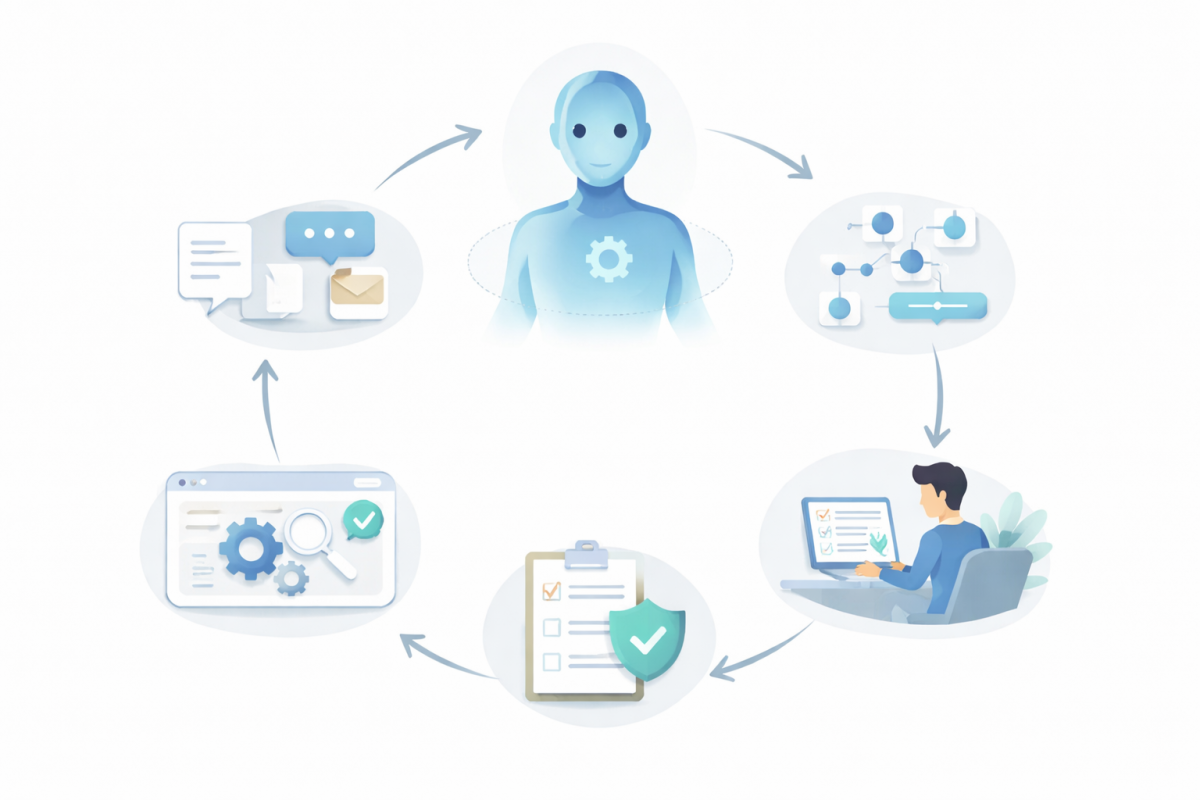
AI agents are no longer just experimental. In recent interviews and reports, multiple SaaS leaders have openly discussed using AI agents to reduce manual sales and operational work, especially in early pipeline qualification and internal workflows.
At the same time, venture funding is increasingly flowing into startups focused specifically on agent-based enterprise automation — a signal that investors expect real, near-term adoption rather than distant research bets.
Where AI Agents Genuinely Work in SaaS (Tested, Not Theorized)
1. Internal Operations (The Biggest Win Nobody Brags About)
This is where agents quietly earn their keep.
Real examples:
Daily product + infra summaries in Slack
“Why did this job fail?” explanations
Log scanning + anomaly detection
Compliance checklist prep
Release notes drafts from commits
Why this works:
Structured data
Low emotional risk
Clear success criteria
Founder reality check:
Your team will trust AI internally long before your customers do.
2. Customer Support (But Only Tier-1 + Assistive Tier-2)
What agents do well:
Answer repetitive questions
Fetch user-specific info
Draft replies for humans
Resolve obvious issues automatically
Where they fail:
Emotional users
Billing disputes
Edge cases
“This broke my business” tickets
Best pattern:
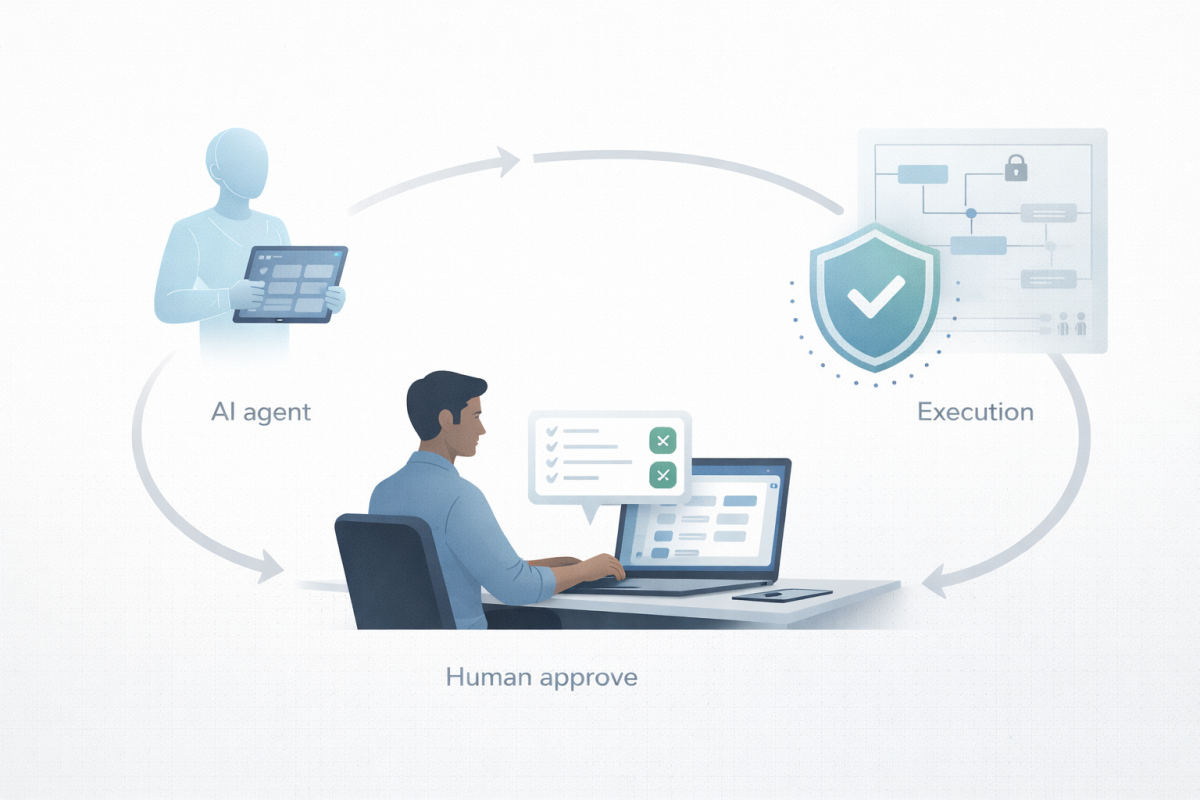
AI suggests → human sends
If your agent talks directly to angry customers without review, you’re outsourcing trust to a probability engine. Don’t.
3. Sales & RevOps (Acceleration, Not Autonomy)
Useful today:
Lead qualification summaries
Follow-up suggestions
Call transcripts + insights
CRM hygiene automation
Still dangerous:
Auto-sending emails
Pricing decisions
Contract commitments
Rule of thumb:
AI prepares the move. Humans make the move.
Where AI Agents Still Break (And Will Cost You Money)
Let’s be blunt.
❌ Full autonomy in critical paths
If an agent can:
Cancel subscriptions
Issue refunds
Change billing
Touch production data
…without a gate, you’re one hallucination away from chaos.
❌ Vague workflows
Agents are bad at:
“Figure it out”
“Use common sense”
“Handle edge cases”
If you can’t write the SOP, don’t automate it.
❌ Legal, financial, or trust-sensitive decisions
These require judgment, context, and accountability.
AI has none of those.
The Only Agent Architecture That Survives Production
This pattern keeps showing up in real SaaS systems:
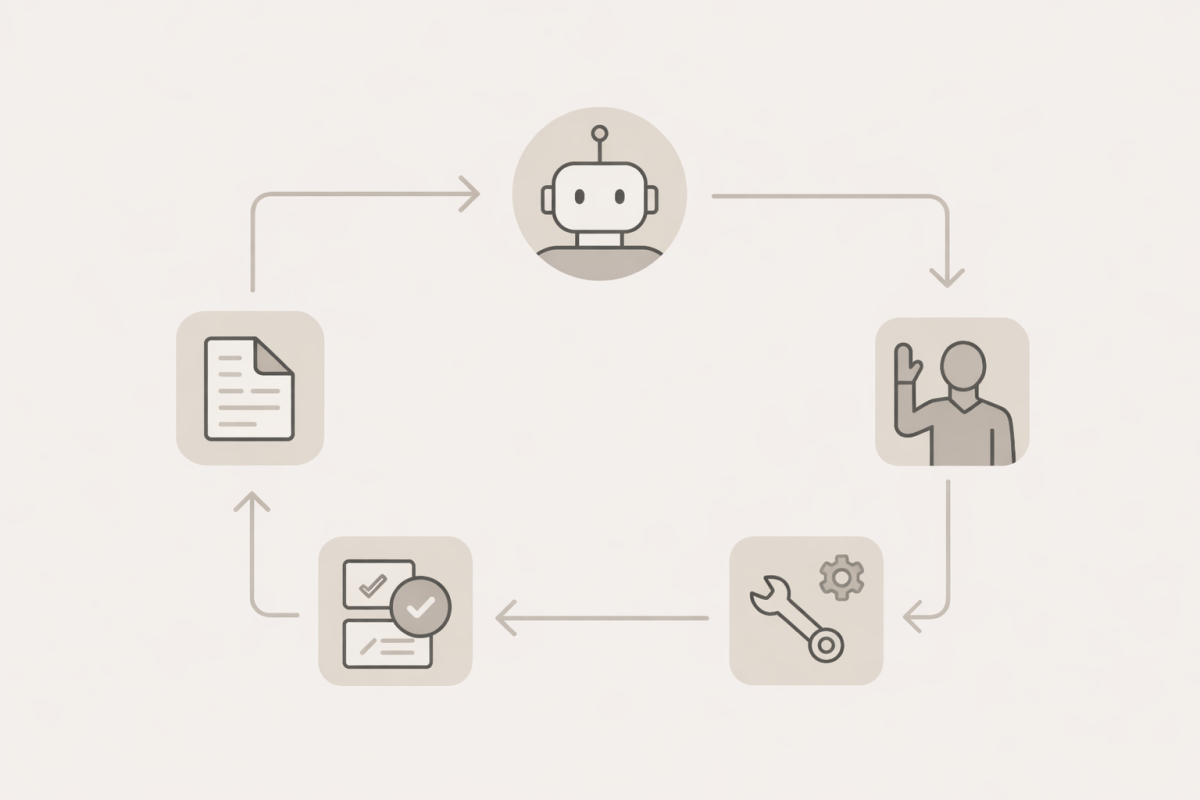
Agent proposes an action
System validates constraints
Human or rules approve
Agent executes
Everything is logged
Non-negotiables:
Hard permission boundaries
Retries via queues
Audit trails
Kill switch
If your architecture diagram doesn’t include “How do we stop this?” — it’s incomplete.
The Most Common Founder Mistake
“Let’s add an AI agent so we look innovative.”
That mindset creates:
Confusing UX
Unused features
Support overhead
Distrust
Better question:
“What boring, repetitive task is silently draining our team every week?”
That’s your agent opportunity.
A Simple Test Before You Build an AI Agent
Build one only if:
The task is repetitive
Inputs are structured
Output is reviewable
Failure is reversible
Do not build one if:
The task is emotional
Legal risk is high
Inputs are ambiguous
Mistakes are expensive
This test saves months.
The Uncomfortable Truth
The SaaS winners won’t have:
The fanciest agent framework
The newest model
The loudest AI branding
They’ll have:
Clear workflows
Thoughtful UX
Safe defaults
Human trust
AI agents are force multipliers, not shortcuts.
Final Thought (Founder to Founder)
AI agents won’t replace your team.
They’ll:
Remove the worst parts of work
Let small teams move faster
Give founders back mental space
Used responsibly, they’re boring in the best way.
And boring systems are the ones that scale.
